
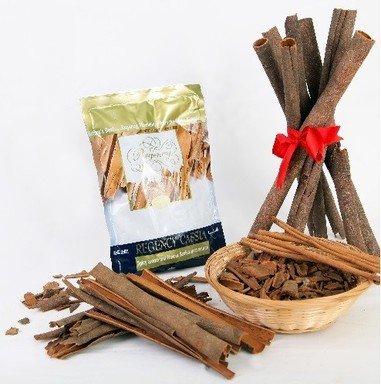
Cassia or Cinnamon?
Many languages — and food laws in several countries — do not clearly distinguish between the two. That ambiguity has real consequences for buyers, food manufacturers, and anyone writing a label.

Cassia and cinnamon, although often used interchangeably in culinary contexts, are distinct entities with unique characteristics. Both belong to the family Lauraceae, yet they come from different species. This botanical divergence contributes to their varying flavour profiles, chemical compositions — and crucially, their regulatory treatment.
Cinnamon primarily refers to Cinnamomum verum — also known as Ceylon cinnamon, grown mainly in Sri Lanka. Cassia covers several species including Cinnamomum cassia (China), Cinnamomum loureiroi (Vietnam), and Cinnamomum burmannii (Indonesia). In the trade, when someone says "Chinese cinnamon" or sources bark from China, they are almost always buying cassia — specifically Cinnamomum cassia.
Side by Side
To compare the two fairly we need to look at like for like — quill against quill. Both Chinese Cassia and Ceylon Cinnamon are sold in quill form, and this is where the visual, tactile, and aromatic differences are most evident.
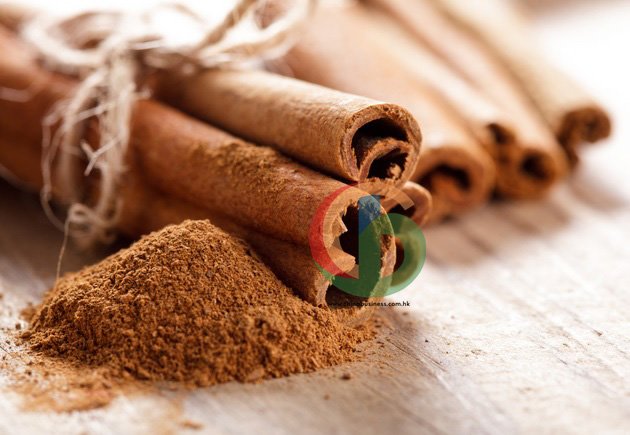
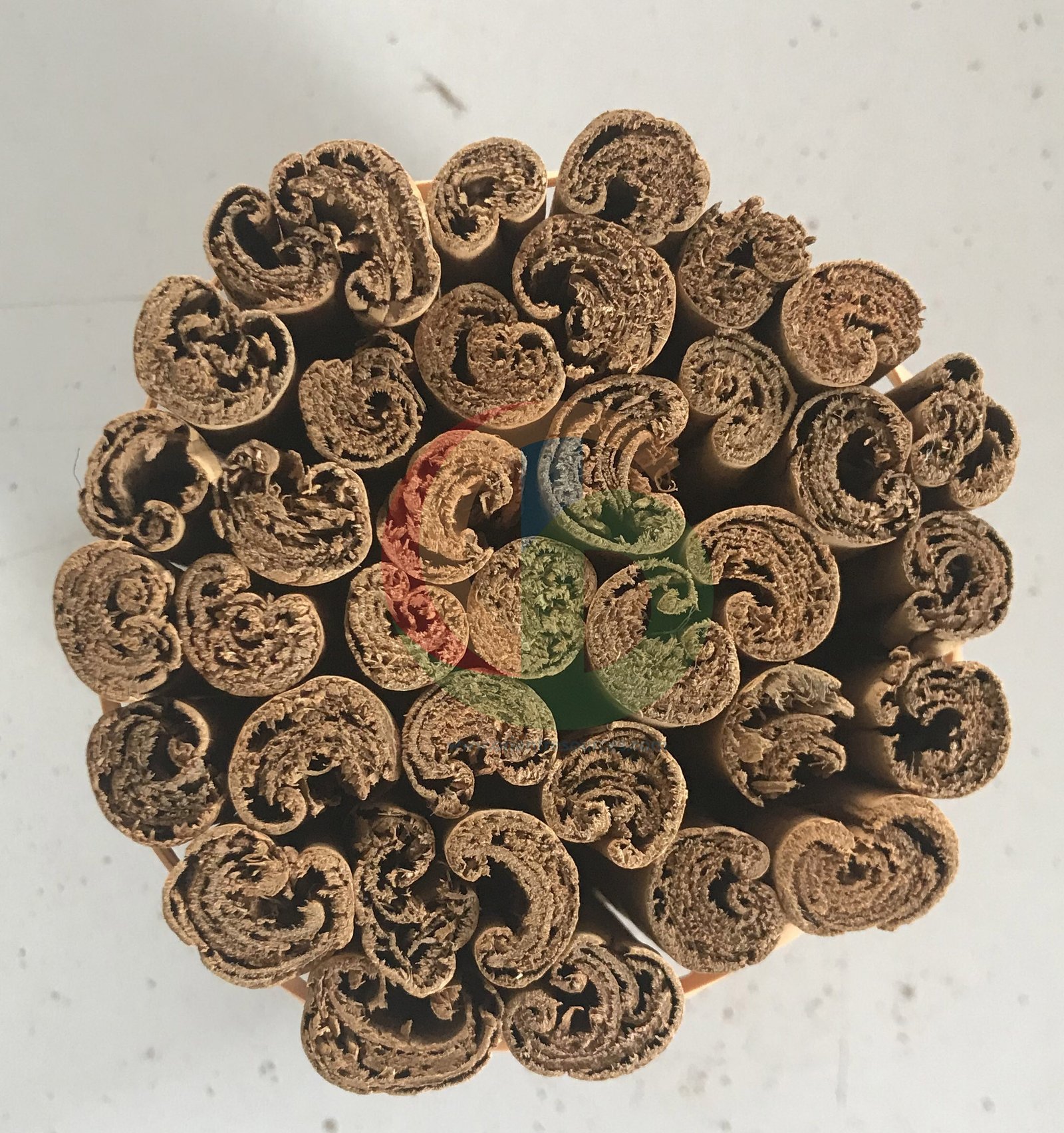
Such visual differences can help in identifying each spice, though it is not uncommon for cassia to be mislabelled as true cinnamon in retail settings — sometimes innocently, sometimes not. This variance in flavour also makes each suitable for different applications.
What We Supply from China
Our primary products are Chinese Cassia (Cinnamomum cassia) sourced from producing areas in southern China. The three forms we supply are:
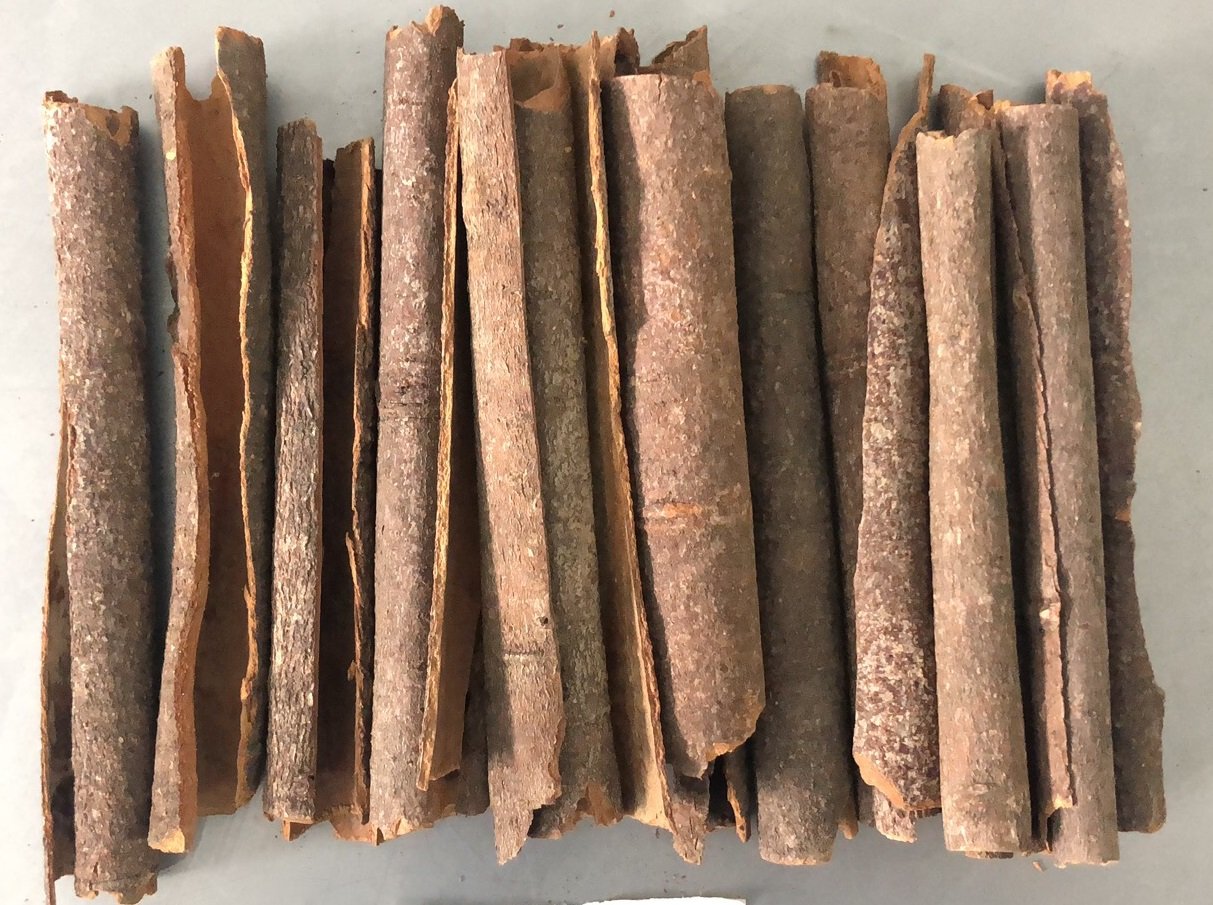
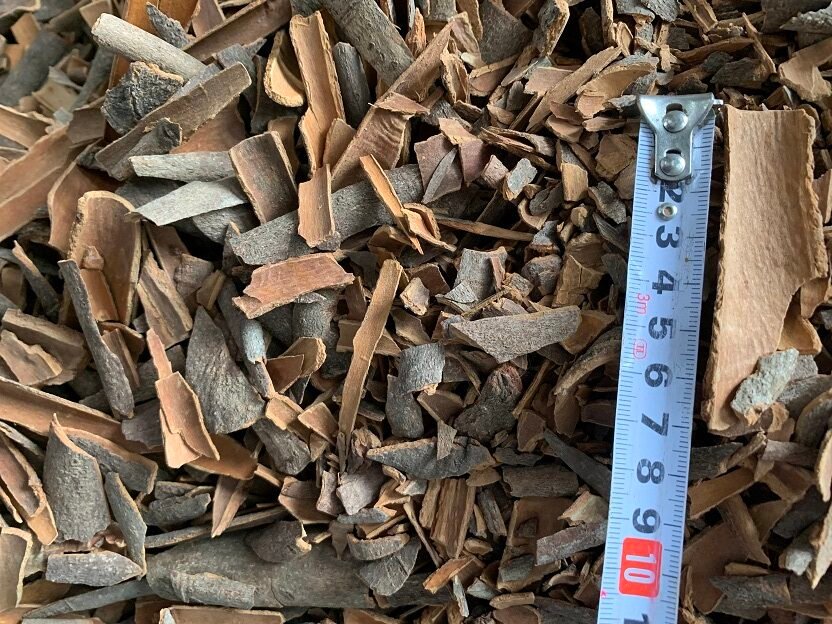
We also supply Cassia Ground, and we can source quills from other origins on request. We do not supply Cassia Broken FAQ grade. If you are asking us for "cinnamon" sourced from China, you are enquiring about cassia — and these are the products you will receive.
Can You Call It Cinnamon? It Depends on Your Market
This is the question that matters most to buyers who source Chinese Cassia but sell into multiple markets. The short answer: it depends entirely on where you are selling and what it says on the label.
| Market | Can Cassia be labelled "Cinnamon"? | Notes |
|---|---|---|
| United States | Yes — permitted | FDA (21 CFR) does not require a distinction. "Cinnamon" on a US food label may legally refer to cassia. The vast majority of "cinnamon" sold in the US is in fact cassia. |
| United Kingdom | Only if "cassia" appears on the label | UK Food Information Regulations 2014 (retained from EU law) require that the specific name be used. "Cinnamon" on its own should refer to Cinnamomum verum. A dual-name approach such as "Cassia (Cinnamon)" or "Cinnamon (Cassia)" may be acceptable provided it is not misleading — but the word "cassia" must appear. |
| European Union | Only if "cassia" appears on the label | EU Regulation 1169/2011 on food information requires cassia to be correctly identified. A dual-name approach such as "Cassia (Cinnamon)" may be acceptable where it does not mislead the consumer — but "cinnamon" alone is not. The distinction is also relevant to coumarin limits: the two species are treated differently under Regulation 1334/2008. |
| India | Partially regulated | FSSAI standards apply. In Hindi, Taj (cassia) and Dalchini (cinnamon) are distinct words, and the Indian spice trade enforces the distinction strictly. Some other Indian languages use a single term, and consumer retail labelling tends to be less consistent than B2B trade. |
| China, Southeast Asia, Middle East | Generally no formal distinction | Most jurisdictions use a single term covering both. No specific prohibition on using one name for the other. Check local regulations for your specific market. |
Botanical Names
| Common Name | Botanical Name | Note |
|---|---|---|
| Chinese Cassia | Cinnamomum cassia | Primary CBL sourcing. Often sold as "cinnamon" in US/Asian markets. |
| Saigon / Vietnamese Cassia | Cinnamomum loureiroi | Highest essential oil content of the cassia group. World's No.1 by volume. |
| Korintje / Indonesian Cassia | Cinnamomum burmannii | Sold as Cassia Vera. Grades: VAA, VA, KBBC, KABC. |
| Ceylon / True Cinnamon | Cinnamomum verum | Sri Lanka. Thin multi-layer quill. Very low coumarin. Distinct in EU law. |
Names in International Languages
In most languages a single word covers both cassia and cinnamon — which is why the confusion persists at every level, from retail labelling to food law. Hindi is a notable exception: in the Indian spice trade the two words Taj and Dalchini are distinct, and the distinction is strictly enforced.
Taj (cassia) · Dalchini (cinnamon)
🌿 Notice any errors in the translations above? Let us know — correct an error and we'll send you a free sample.
Whether you call it cassia or cinnamon — if you need it sourced from China with proper quality controls and the right documentation for your market, the conversation starts here.
Send an Enquiry