
Four decades.
Three products. Sixty countries.
China Business Limited was incorporated in Hong Kong in 1991 — but the story begins earlier. Much earlier. This is a history, not a brochure. Five chapters of what actually happened.
A family in spices.
Long before Hong Kong.
The story of China Business Limited does not begin in 1991. It begins in 1951, when the family entered the spice trade. By the time CBL was incorporated, there were already four decades of accumulated knowledge — supplier instincts, quality judgement, an understanding of how spice markets actually work at ground level. None of that was learned after incorporation. It came with us.
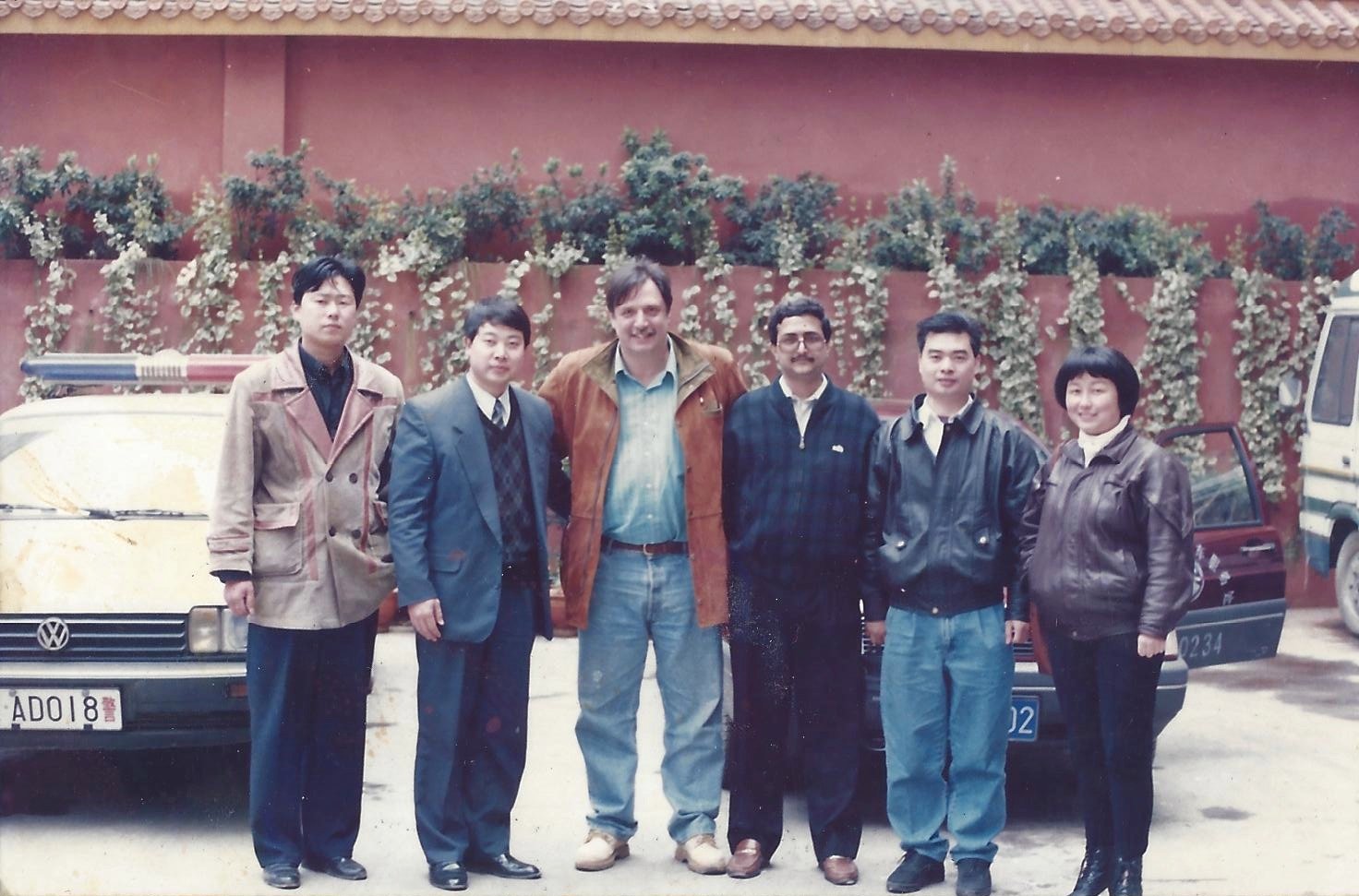
The China chapter opened in 1984. Picture an early morning flight into Hong Kong — the iconic skyline, the bustling harbour, the lush hills coming into view. The plane glides over Victoria Harbour, then comes the thrilling checkerboard approach into Kai Tak Airport — a low, banking descent over the rooftops of Kowloon unlike any other landing in the world. The plane touches down and there is a rush of arriving into something genuinely new.
The next morning: the through train at Kowloon Station — the old Hung Hom terminus — for a three-hour journey to Guangzhou. Today that same journey takes 47 minutes on High Speed Rail. In 1984, it felt like crossing into another world entirely.
"We were, in a very real sense, among the first wave. It was only in 1978 that India-China trade had re-opened after the war of 1962. China itself was only just beginning to open."

Two exporters.
One hotel. No internet.
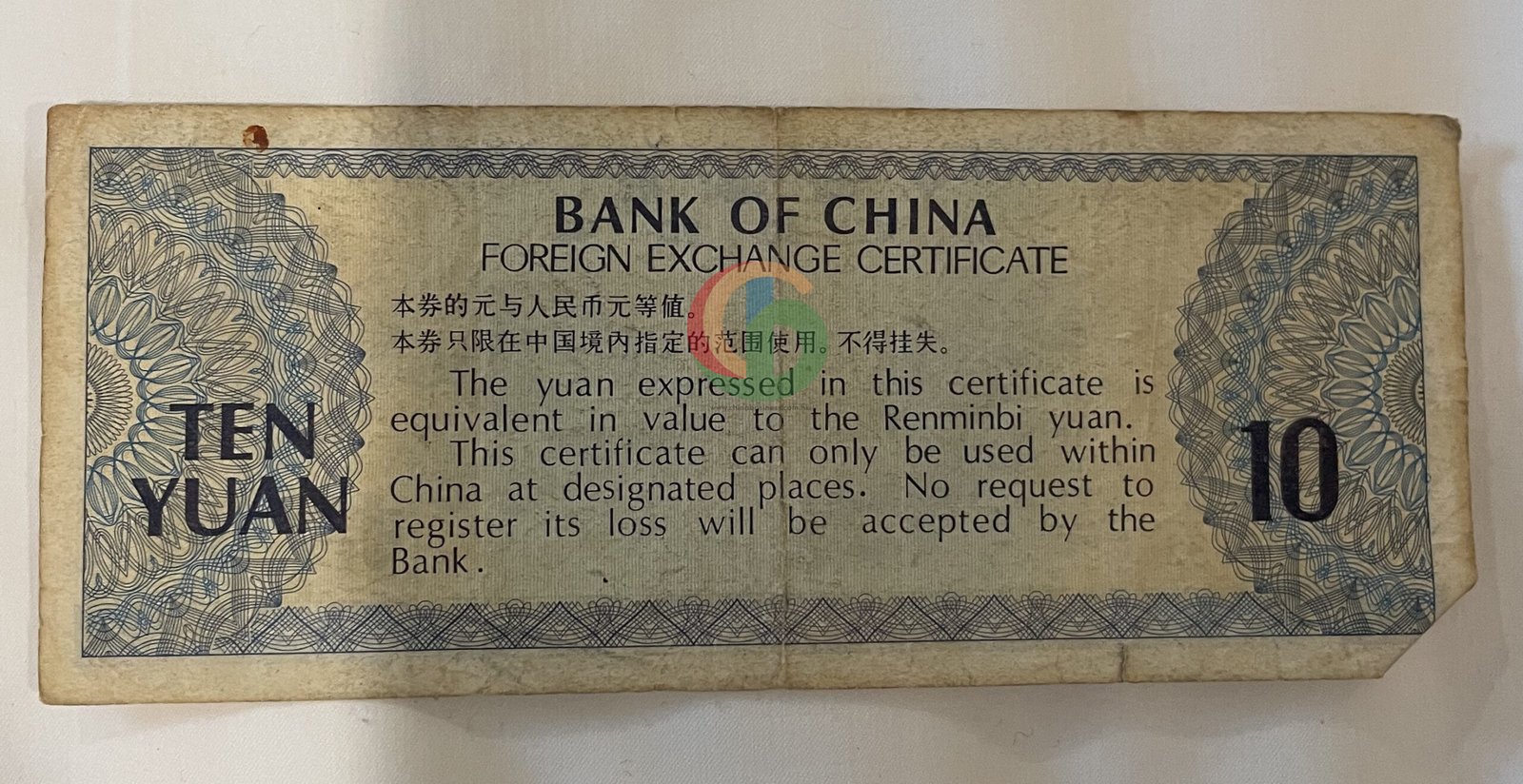
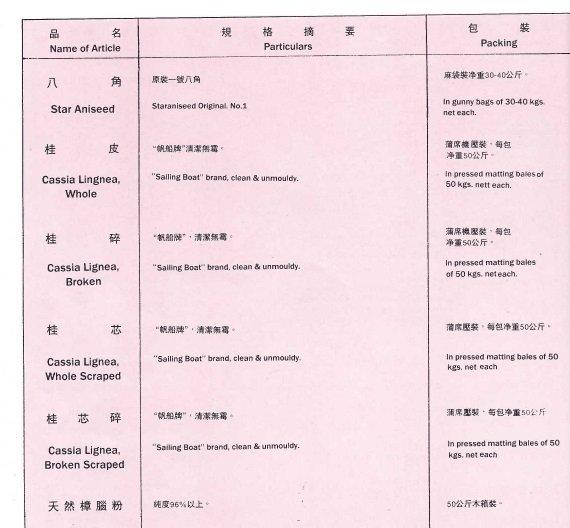
Our destination on that first trip was the offices of Kwangtung Native Products Import & Export Corporation — KTNB — the family's longstanding supplier of Chinese Cassia, reached by threading through traditional markets and historic streets on Liu Er San Road, Guangzhou. We stayed at the Dong Fang Hotel, one of the very few hotels where foreigners were permitted to stay in those days. Even UK Prime Minister Margaret Thatcher had stayed there.
Until then, export prices were tightly controlled. There were only two exporters licensed to export Chinese Cassia — Sikiang Origin, Sailing Boat Brand — and KTNB was one of them. The Canton Fair, held twice a year for 30 days at a stretch, accounted for nearly half of all China's trade in those years.
The atmosphere at the Fair was unlike anything that exists today. Buyers from India, Pakistan, Singapore, the UK, the USA — all staying at the same hotel, all circling the same products, all trading fragments of market intelligence over meals. No mobile phones. No internet. Just conversation, intuition, and relationship.
The years between 1984 and 1991 were the incubation period — learning the rhythms of a market changing faster than anyone fully understood. China's gradual decentralisation of export rights, from state monopolies to branches, then sub-branches, then open competition, created both opportunity and risk. We watched carefully, built relationships, and waited for the right moment.
A borrowed desk.
The lucky fourth floor.
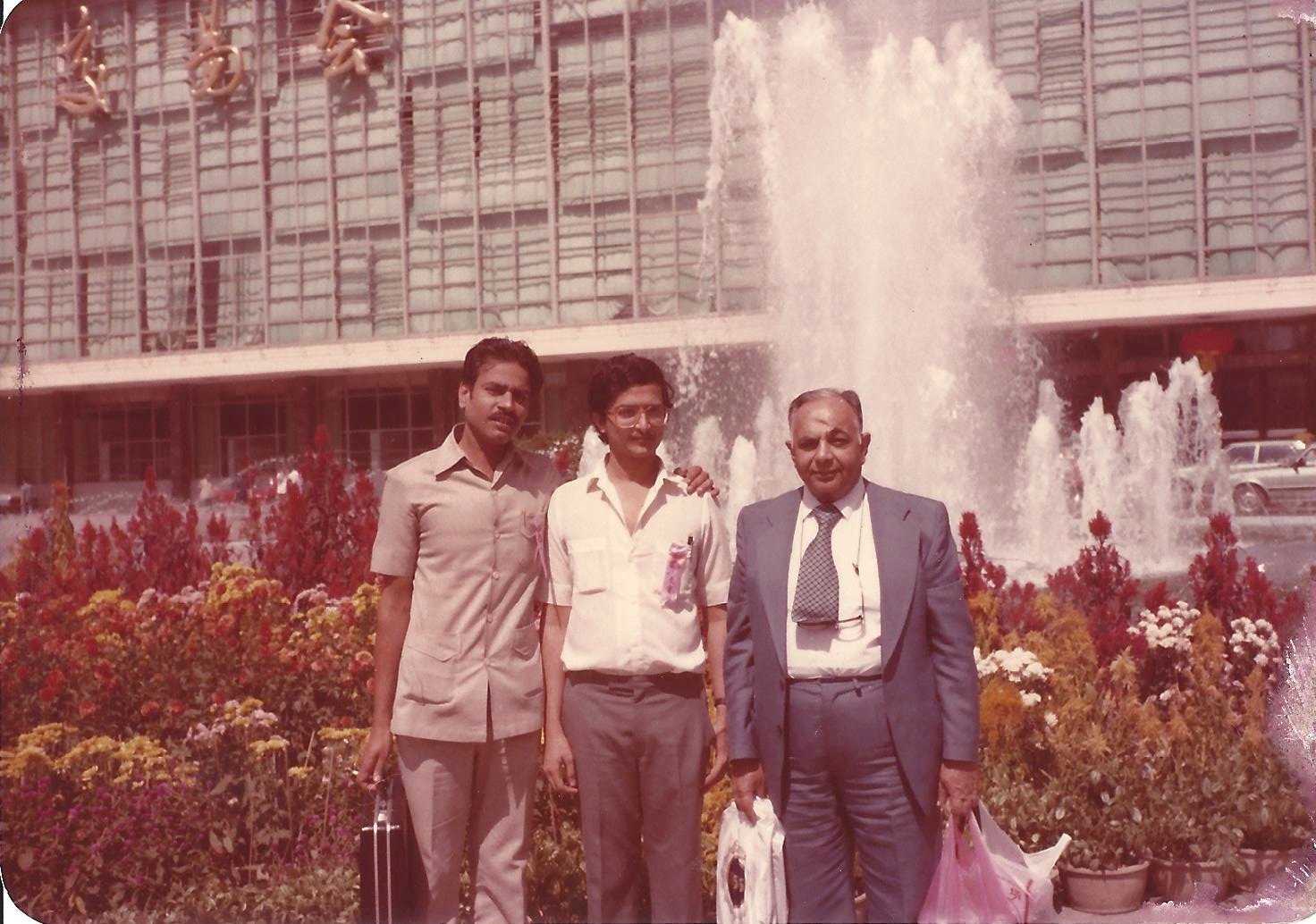
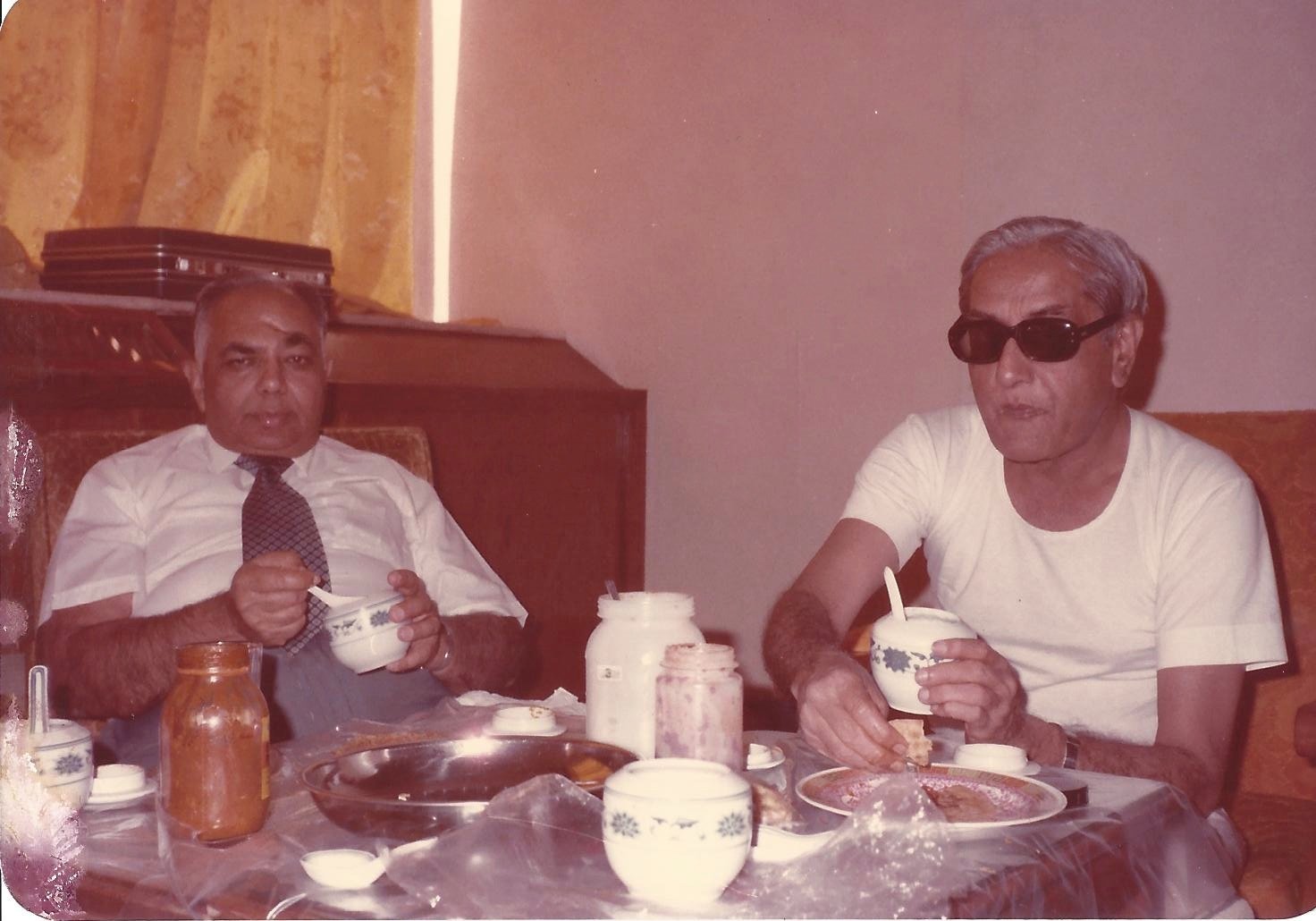
In 1992, the move to Hong Kong was made permanent. China Business Limited — incorporated the previous year on 26 September 1991 — needed an office. The first one was not an office at all. It was table space, generously provided by a very kind friend of the family: Mr. Wong Yee Chat. From that borrowed desk, what CBL would become began to take shape.
An early windfall from a Cassia market fluctuation provided enough capital to buy proper premises — a small 592 square foot office at Lucky Commercial Centre. The unit was on the 4th floor (considered unlucky in Hong Kong), unit number 4 (also unlucky), facing west (not a preferred direction). We bought it anyway. It proved to be very lucky and fruitful indeed.
Those early years moved quickly. Sunray Resources Holdings was established in 1995 as an umbrella for a growing family of ventures. The Regency trademark was registered in China in 1996 and Hong Kong in 1999. The first domain name — regencyworld.com — and first website went live in 1997, at a time when most companies in the industry had never heard of the internet.
26 September
Holdings established
registered in China
regencyworld.com
ISO 9001, 1998.
HACCP, 2003.
First in category — both times.
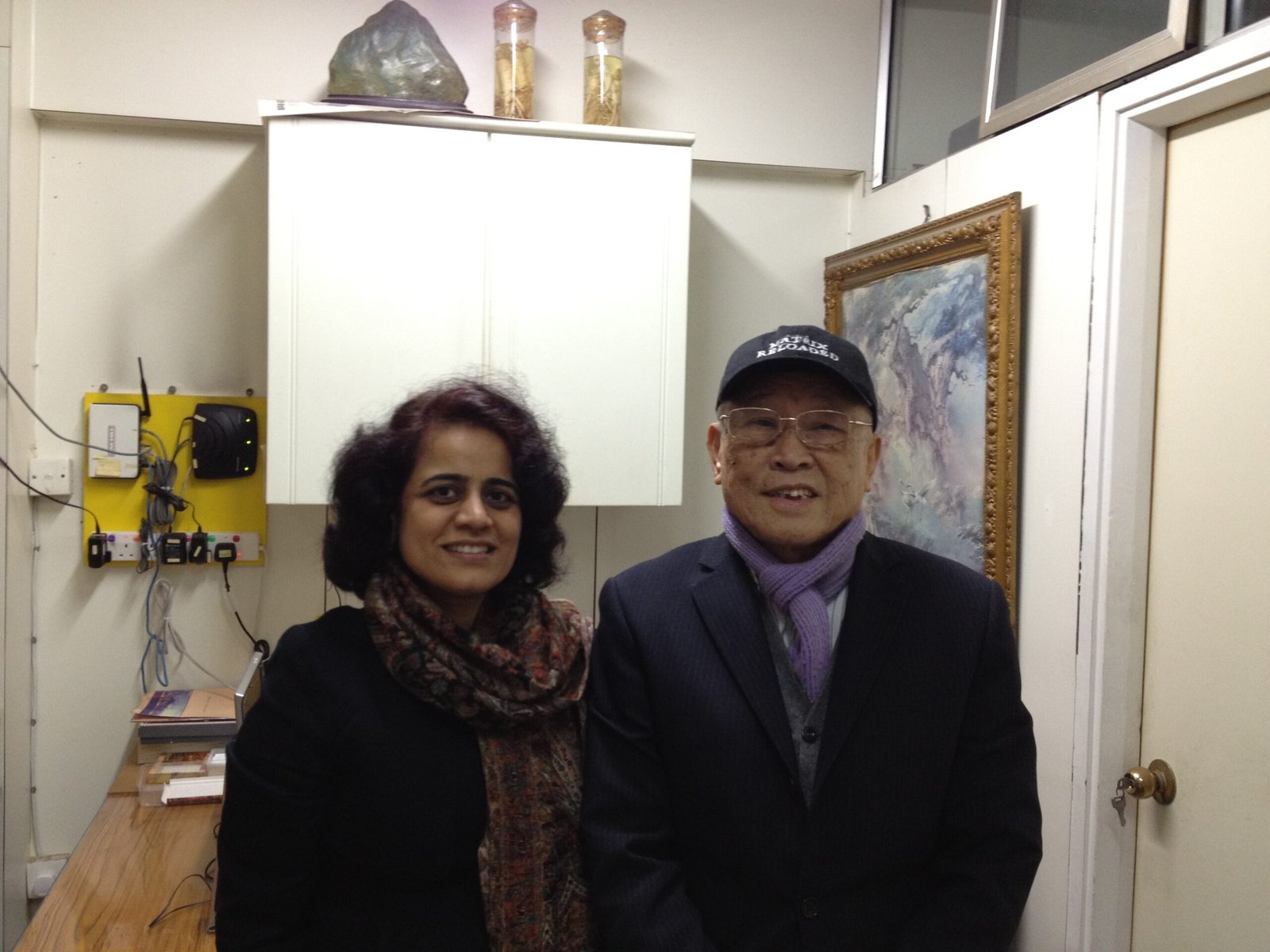
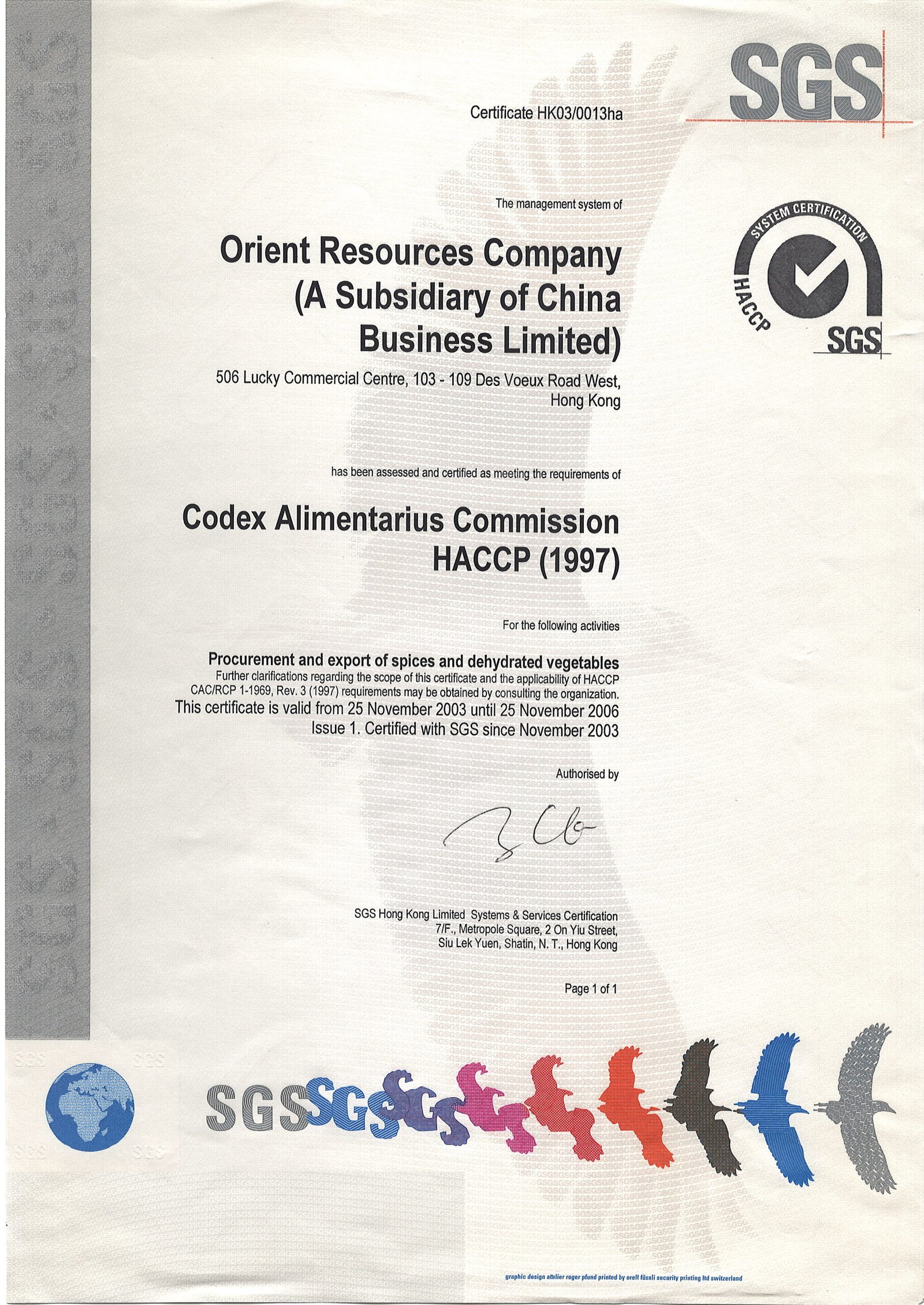
In 1998, ISO 9001 certification for Quality Excellence was achieved — making CBL the first Greater China company specialised in spices to hold this certification. HACCP certification followed in 2003. Again, first in the category. These were not box-ticking exercises. They were the formal expression of standards already being applied for years.
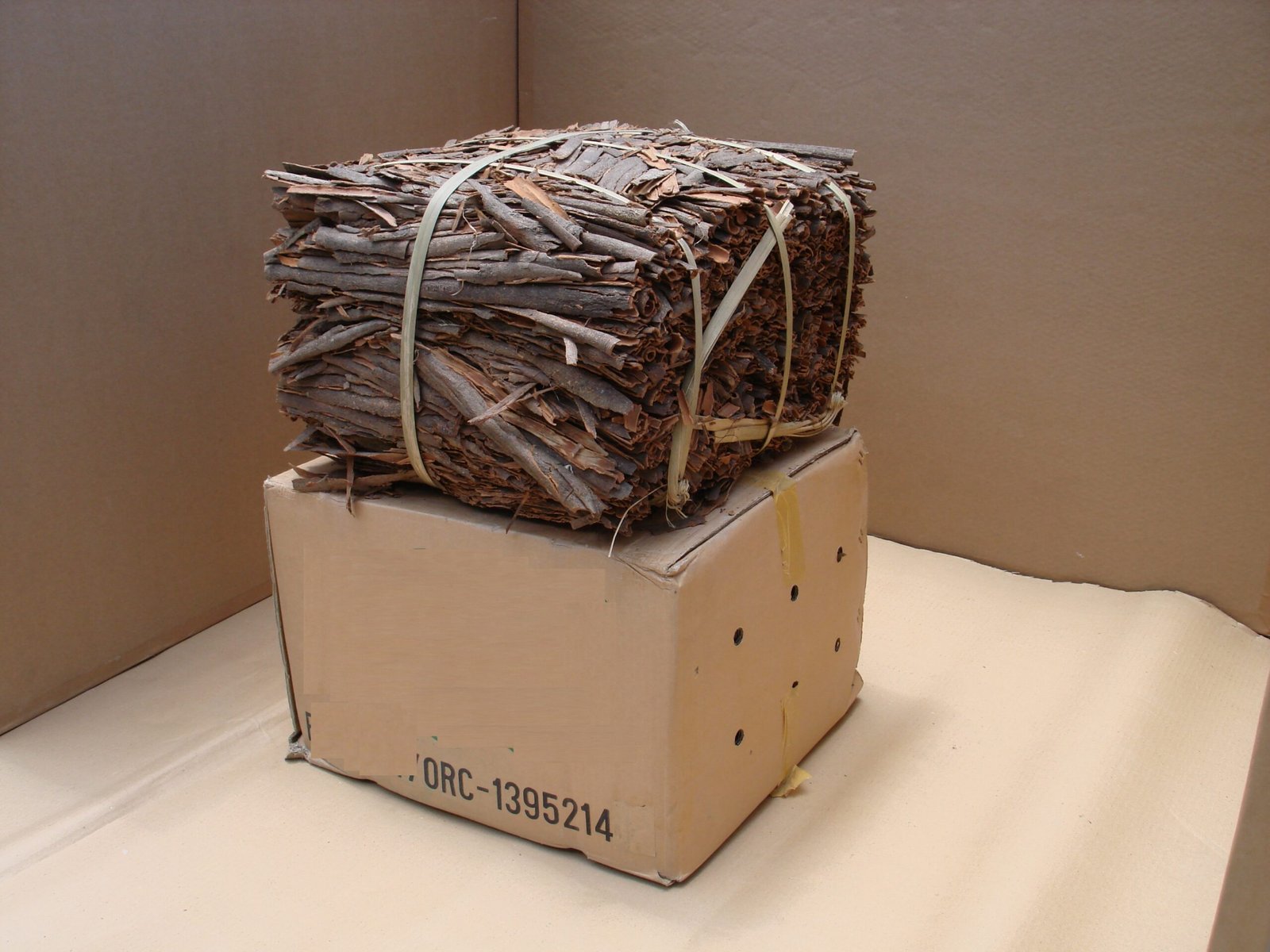
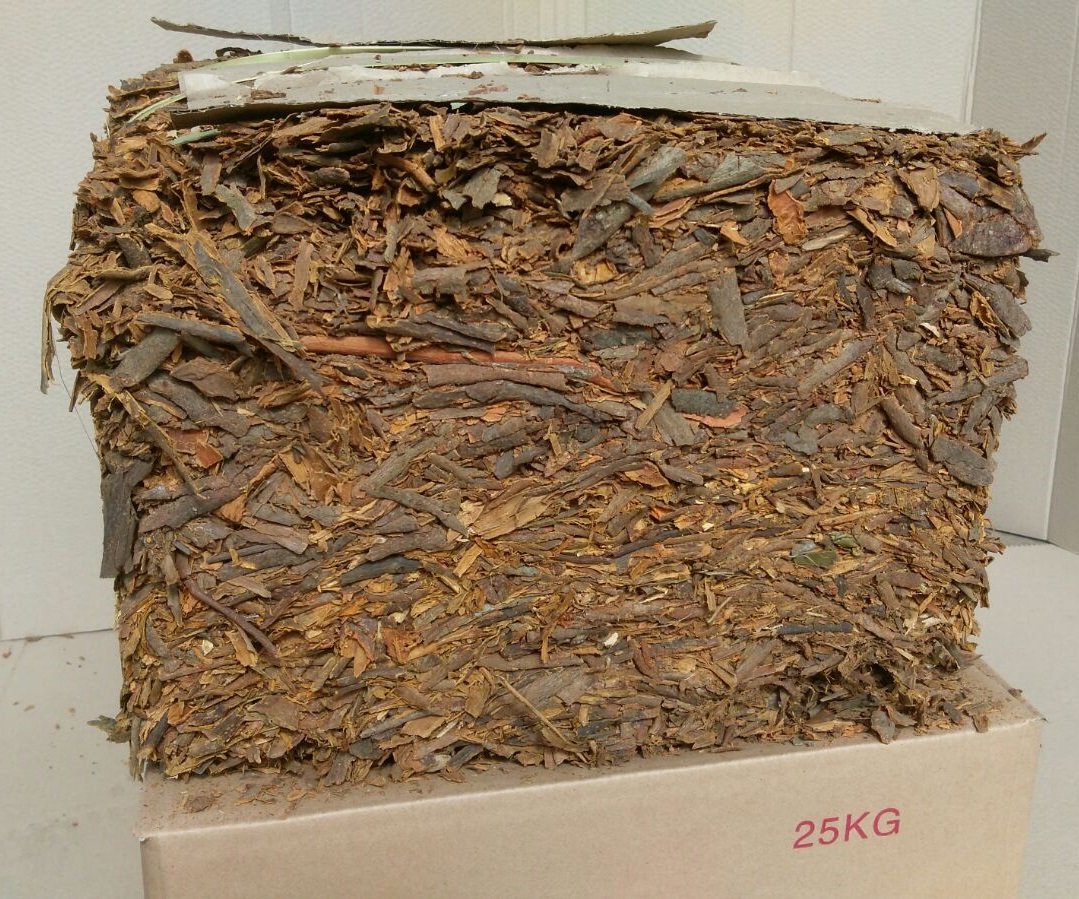
And in 2000, something that sounds small but was genuinely significant for the industry: 25kg carton packaging for Cassia was introduced — the first company globally to do so. Until then, Cassia was shipped in heavy 50kg bales bound with bamboo. Buyers had to unbundle them, discard the bamboo, and absorb the weight loss. Our carton eliminated all of that — cleaner, lighter, more economical, more hygienic. The first lot shipped to SpiceMasters in Sydney, Australia on 5 June 2000.
"First in category for ISO 9001. First globally for 25kg carton Cassia. These things happened because we were already doing them — the certification was the acknowledgement, not the starting point."
Jolted, repeatedly.
By things entirely outside our control.
The years between 2000 and 2015 brought extraordinary growth — and equally extraordinary disruption. The business was hit by events entirely outside its control, one after another. Each one was painful. Each one also taught something that couldn't have been learned any other way.
Currency markets in turmoil across the region. Buyers retreating, margins compressed overnight. Hong Kong's property market — and much else — in freefall.
The longest deflationary period in Hong Kong's modern history. Sixty consecutive months. Property values halved. The business had to be run differently to survive it.
Hong Kong and southern China effectively shut down for months. Supply chains paralysed. Factory visits impossible. The verification model stress-tested in ways that couldn't have been anticipated.
Credit markets froze. Buyers cancelled orders. Commodity prices swung violently. The instinct to build relationships rather than chase transactions proved its value.
We came out of each crisis leaner and more capable than we went in. New methods of cost control. Better systems for managing supply chain risk. Sharper instincts for which supplier relationships would hold under pressure — and which would not.
We tried many things.
We learned which ones to keep.
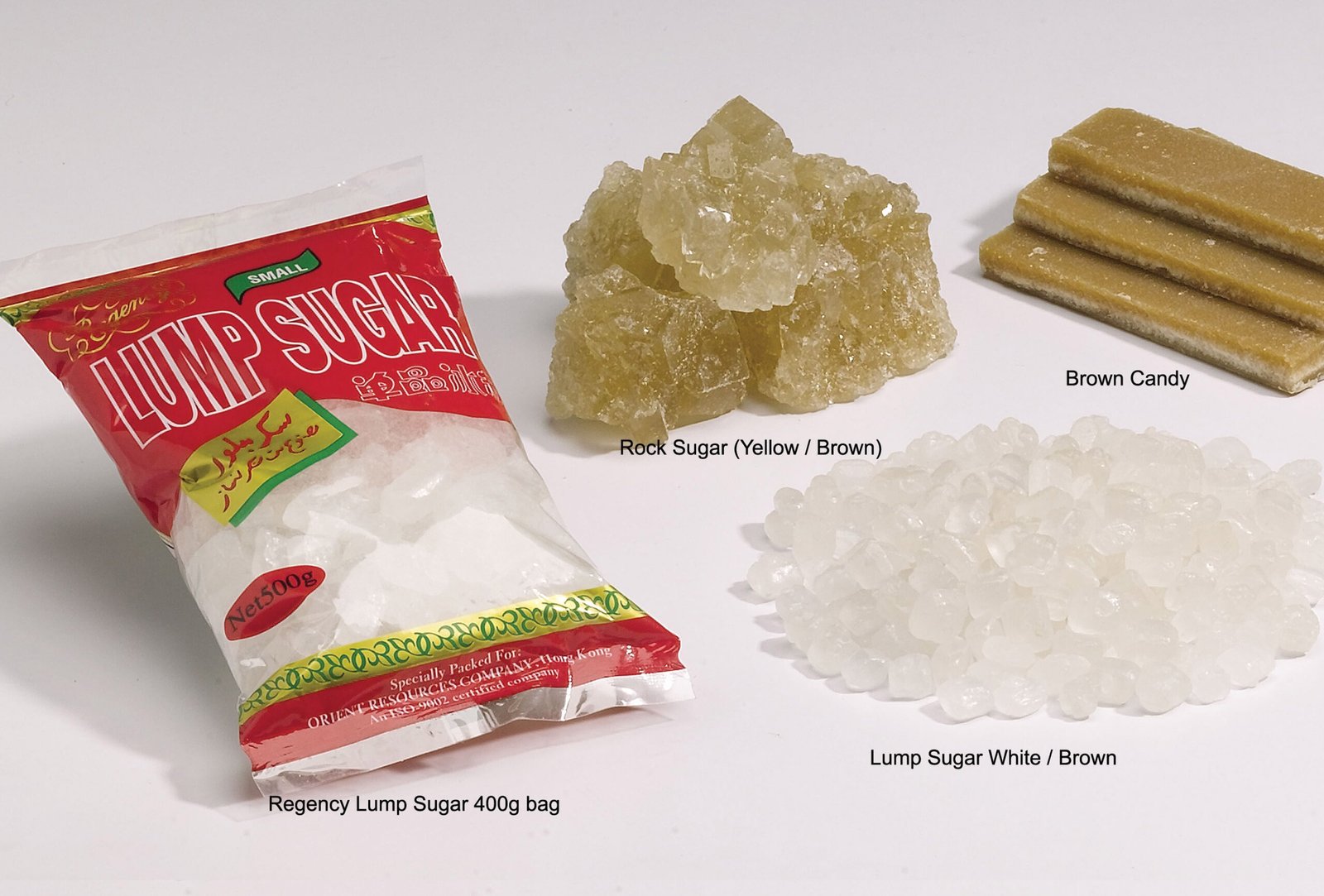
During this period the product range expanded substantially — sometimes deliberately, sometimes because an opportunity presented itself and the relationships were there to pursue it. At various points the scope included:
The highlighted items are what remained. Not because they were easiest — because they were the ones where knowledge, relationships, and quality control capability were genuinely deepest. The rest taught their lessons and were eventually set aside.
The office also moved during this period — from the lucky 4th floor to larger self-owned premises at Qualipak Tower on Connaught Road West, where CBL operates today.
Fewer things.
Better. With more control.
From around 2017, the trading environment shifted again — this time more structurally. Higher tariffs. Followed by rising freight rates during the pandemic years, exceeded the FOB value of the goods being shipped for some items. The economics of broad-based commodity trading became increasingly difficult to justify.
A deliberate choice was made: to concentrate. Some lines were wound down responsibly. Canned goods — which had been a significant business — fell victim to freight economics that made them unviable. Non-China trade was given up when Covid-19 restrictions made pre-shipment inspections impossible to conduct safely.
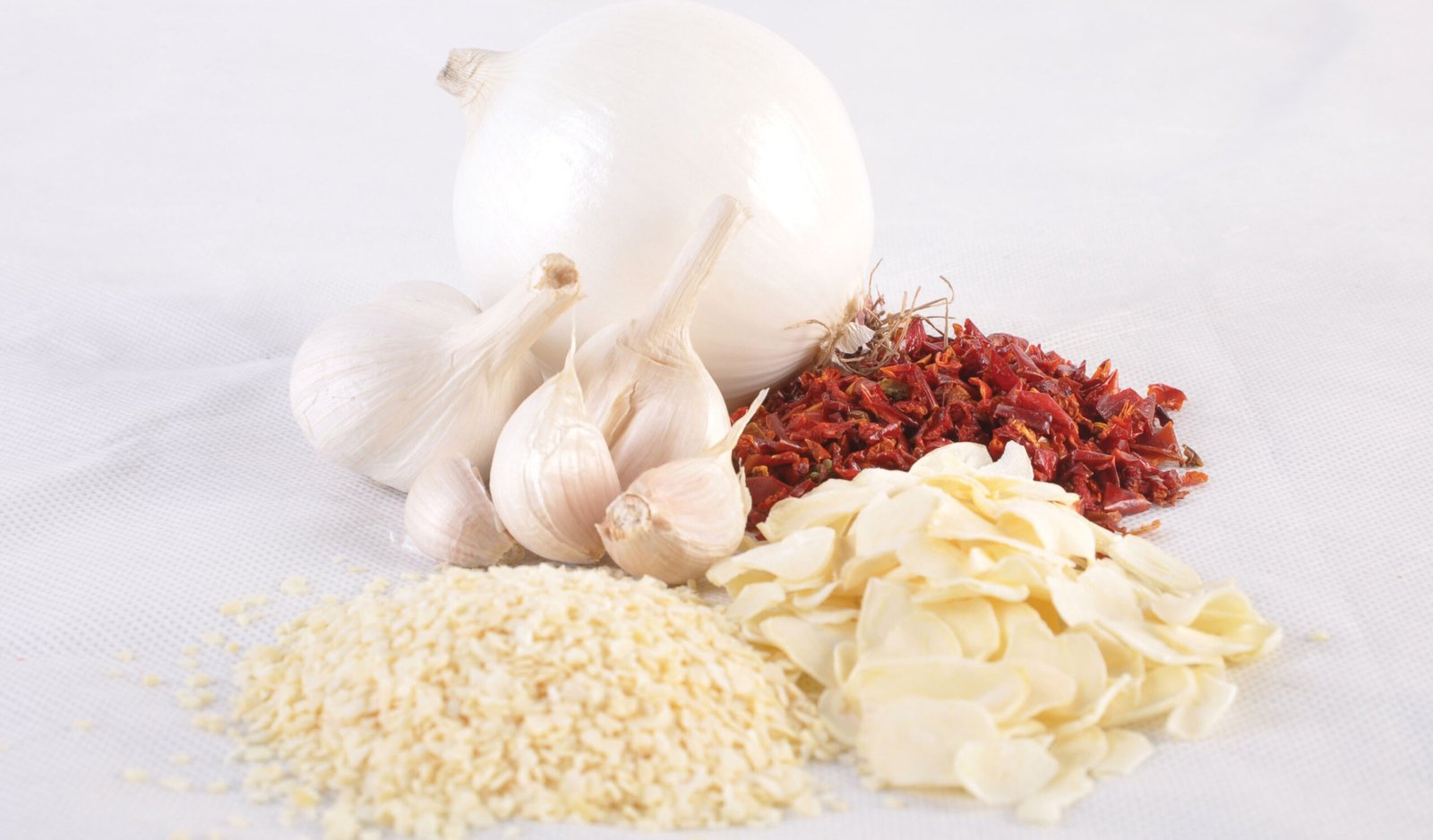
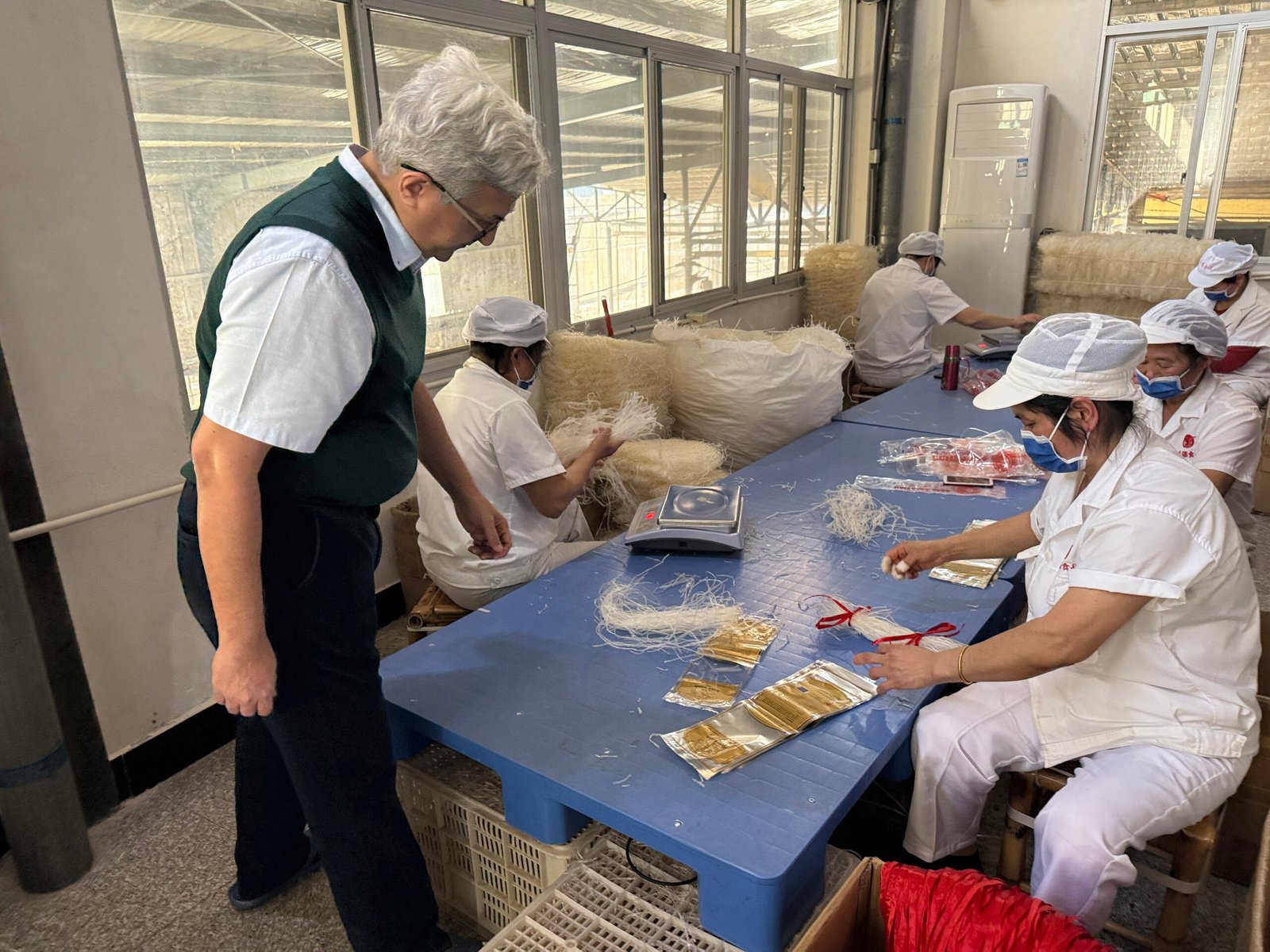
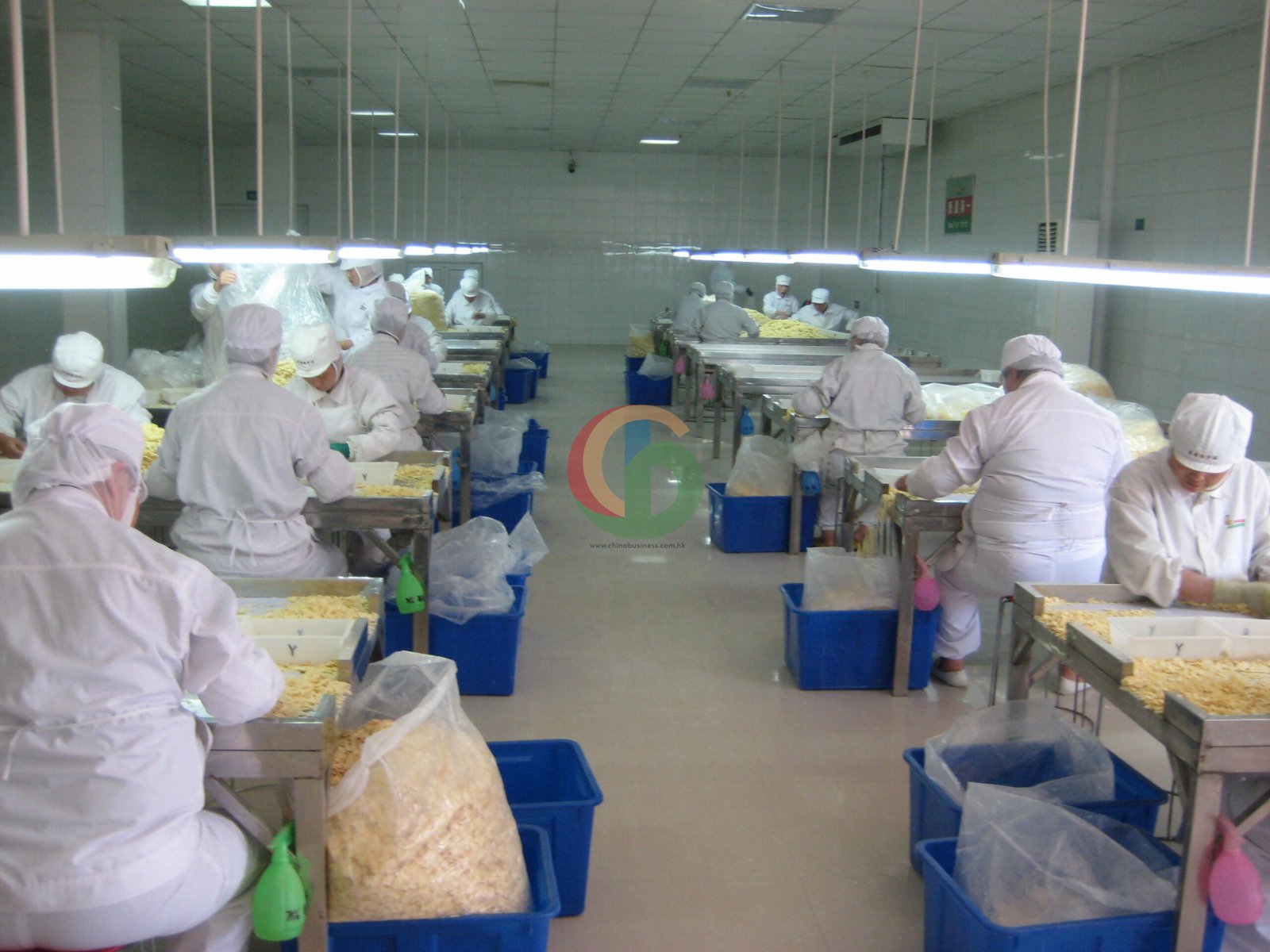
What remained — and what was invested in further — were the three product areas where knowledge, relationships, and quality control capabilities were deepest: Cassia/Cinnamon, Agar Agar, and Dehydrated Garlic. For both Agar Agar and Dehydrated Garlic, owned and partnered production arrangements were established — not primarily to reduce costs, but to tighten quality control.
Other lines — Dates, Edible Seeds, Herbs, Nuts — were handed over to Regency Spices Ltd, the fourth-generation venture founded by Sunit Dattani in 2014, where they could be developed with focused attention and fresh energy.
"Deliberately smaller. Genuinely stronger. The line between those two things is what you stop doing — and why."
The transition is not
a retreat.
Today, China Business Limited brings together over 40 years of active experience across trade, manufacturing, joint ventures, and export operations — spanning more than 60 countries and tens of thousands of containers. That history is not decoration. It is the foundation of what we now offer as a specialist broker and agent.
The transition to brokerage and agency is the natural evolution of a business that has been on every side of the supply chain — and now knows exactly where it can add the most value. For buyers who need quality assurance and market knowledge they cannot replicate themselves. For suppliers who need a representative with genuine credibility and decades of proven relationships.
We have been traders, manufacturers, principals, and exporters. We have paid for quality failures out of our own pocket and fixed them. We have made the hard calls. Now we put all of that experience to work for you.
"The story isn't finished. But this chapter — focused, specialist, honest about what we are and what we aren't — may well be the most useful one we've written yet."
spice trade
Hong Kong
formally structured
Every chapter has been useful.
The next one will be too.
If you'd like to be part of it — we start with a conversation.