
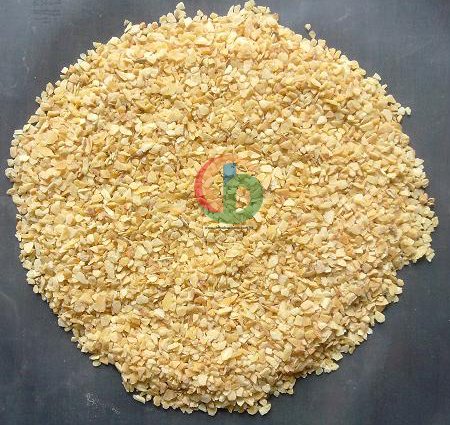
Introduction to Garlic & the Dehydration Industry
From ancient culinary staple to a modern global commodity — the varieties, growing regions, quality differences and dehydration methods that shape the product you buy.
Garlic (Allium sativum) — A Global Culinary Cornerstone
Garlic plays a critical role in cuisines across the world — prized not only for its unmistakable flavour but for its well-documented health properties. From Mediterranean dishes to South Asian cooking, its versatility across culinary traditions is unmatched. It has simultaneously held significant cultural and medicinal value for thousands of years.
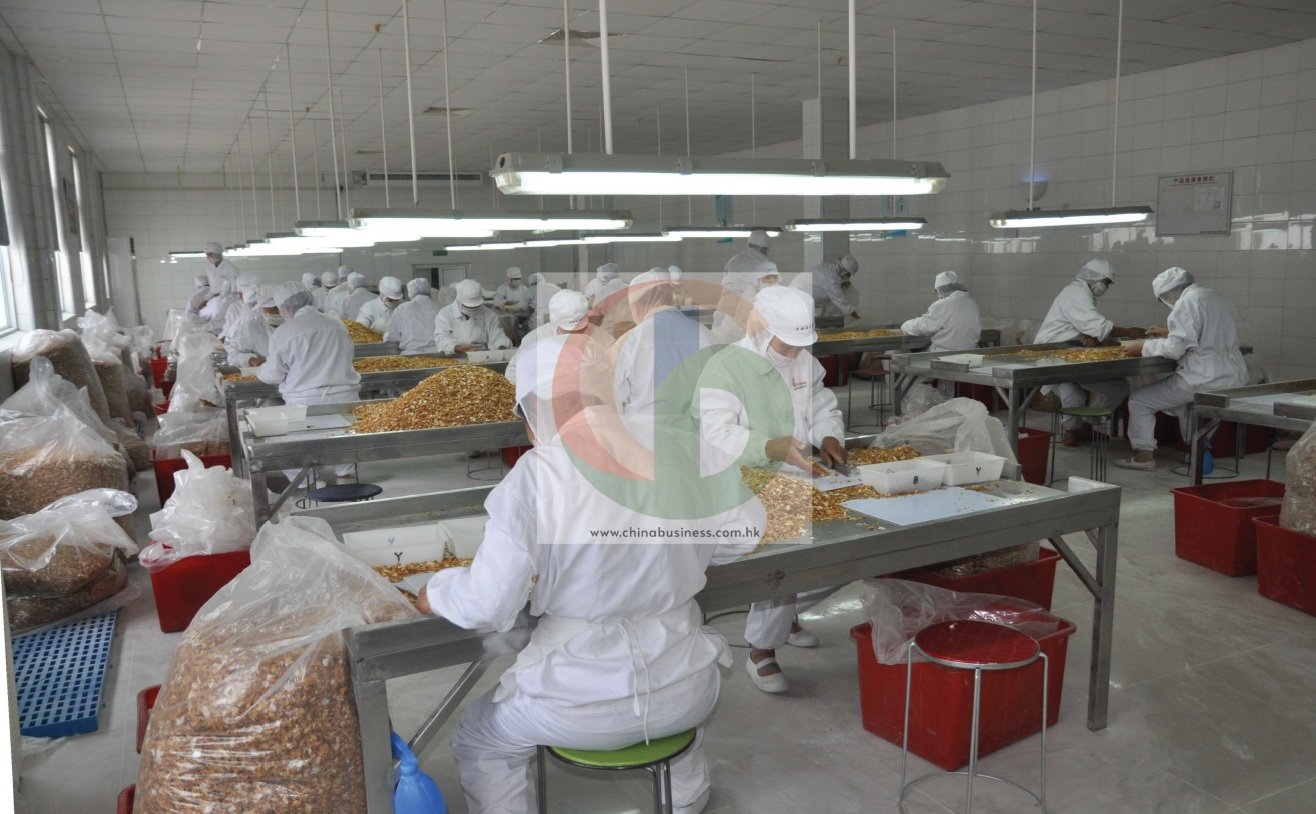
Dehydrated garlic flakes — grade and size selection at our Shandong partner factory
Where the World's Garlic Comes From
Garlic cultivation spans diverse climates and soils. Three countries dominate global supply, each offering distinct characteristics that influence quality, flavour and price:
China
World's largest producer — approximately 80% of global supply. Key growing provinces: Shandong, Henan and Jiangsu. Strong, pungent flavour; large bulbs; ~12 tonnes per acre. Favoured for bulk industrial use and export.
India
Second-largest producer with rising output year-on-year. Smaller bulbs, milder flavour profile. Increasingly significant in regional Asian and Middle Eastern markets.
USA
Concentrated in California's San Joaquin Valley. Premium positioning with robust domestic demand. Export volumes modest compared to China and India.
China's distinct advantage lies in the combination of hot summers, moderate winters and well-drained sandy loam soils rich in organic matter across its major growing provinces — conditions that produce the high-yield, full-flavoured garlic that the international food industry depends on.
How Garlic Is Dehydrated — Three Principal Methods
Air Drying (Traditional)
One of the oldest methods — relying on natural airflow to remove moisture from garlic cloves. Requires careful monitoring of temperature and humidity to prevent spoilage. Slow, weather-dependent and variable in output quality.
Freeze Drying
Temperature is lowered below freezing, then pressure is reduced to allow moisture to sublimate from ice directly to vapour. Preserves the highest proportion of essential oils, flavour compounds and nutritional value. Expensive — primarily used for premium retail and pharmaceutical applications.
Heat-Based Dehydration (Industrial Standard)
Controlled heat applied to garlic slices or minced forms rapidly evaporates moisture. Advanced equipment with temperature control and airflow regulation ensures even drying, minimising burnt or over-dried output. The dominant commercial method — balancing cost, throughput and quality.
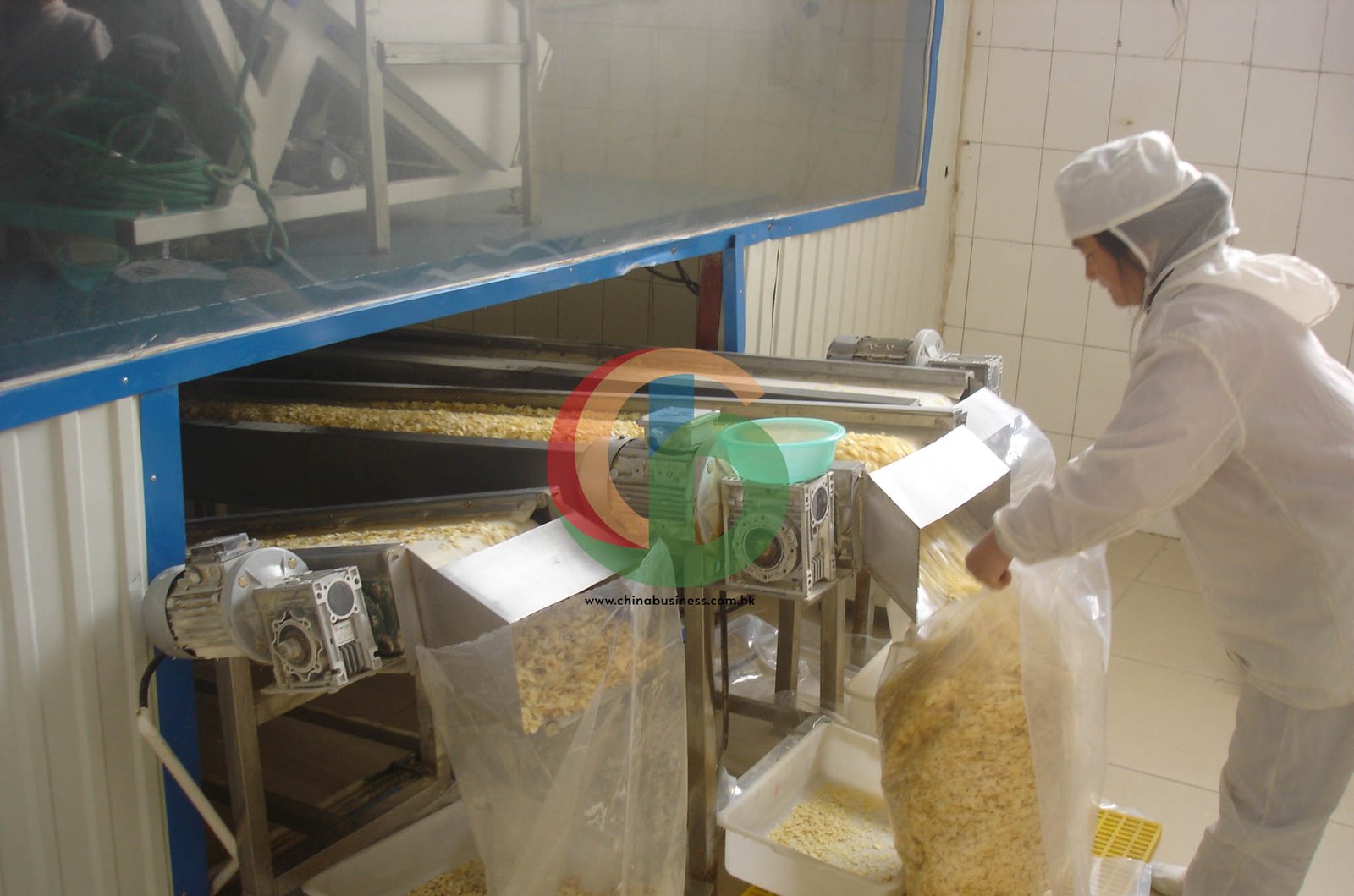
Finished product inspection and packing — dehydrated garlic for export
Direct Access to the Shandong Garlic Belt
CBL operates as your broker and agent in China — not as a trader. We are on the ground in the key producing regions, able to visit factories, verify processes and monitor batches on your behalf. Two engagement models:
Agency: Fixed-fee for audits, factory visits and research — payable on delivery of service.
Brokerage: Commission on completed transaction only. You contract directly with the supplier. White label and private label coordinated through this model.
Our Role in the Dehydrated Garlic Supply Chain
We coordinate supplier matchmaking, quality assurance and compliance monitoring. Full allergen, sulphite, pesticide residue, heavy metal and microbiological testing managed on your behalf. Available in flakes, granules and powder — various mesh sizes, raw or roasted. White Label / Private Label welcome.
Contact us with your specification. More on our Dehydrated Garlic product page.
Looking to source dehydrated garlic directly from a verified Shandong producer?
Tell us your specification and we will find the right match.