
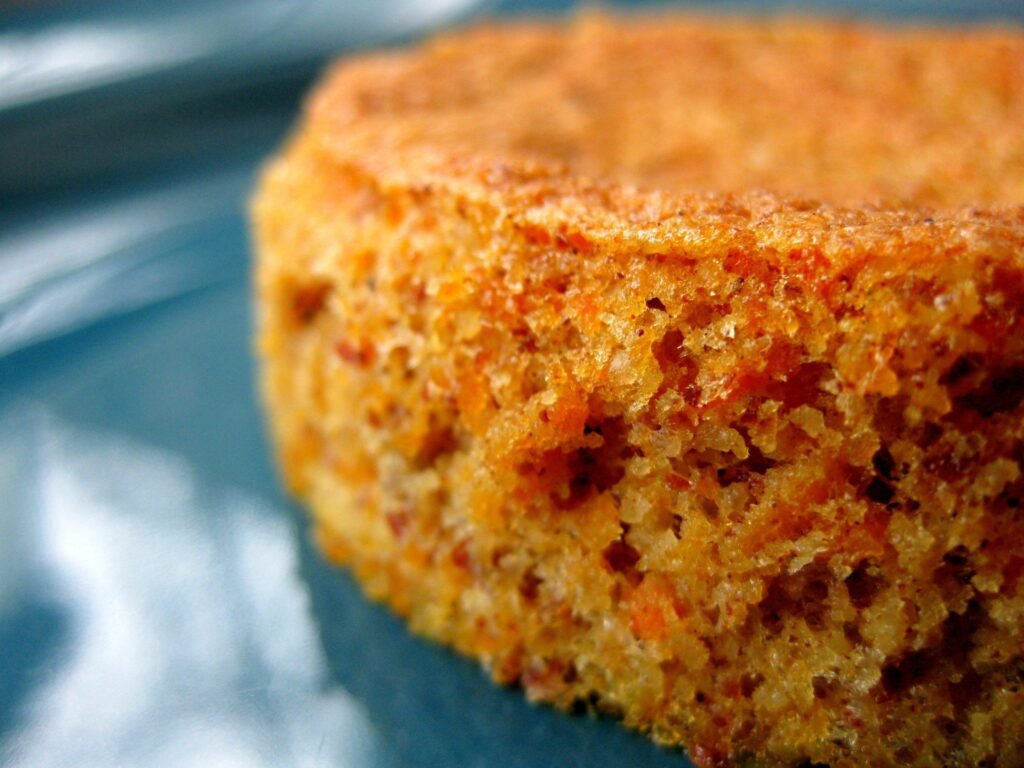
Moist, Spiced Carrot Cake — Made with Ground Cinnamon
A richly spiced, wholesome carrot cake where cinnamon does the heavy lifting — pineapple and coconut keep it moist, walnuts and raisins add depth. No icing needed.
The Spice That Makes the Cake
Carrot cake is one of those recipes that earns its reputation entirely on the strength of its spicing. Reduce the cinnamon and you have a pleasant enough vegetable cake. Keep it in full measure — a whole teaspoon for a standard batch — and the result is something noticeably warmer, more aromatic, and considerably harder to stop eating.
This version adds crushed pineapple, grated coconut and applesauce alongside the carrots — not for novelty, but because together they maintain moisture through a long bake without relying on excessive oil or sugar. Walnuts and raisins are folded in at the end, as they should be. The whole thing bakes at 175°C for about an hour and comes out dense, fragrant and completely reliable.
The cinnamon used in this recipe is ground Chinese Cassia — the same commercial-grade product CBL sources from Guangxi province for food manufacturers, spice blenders and private label buyers worldwide.
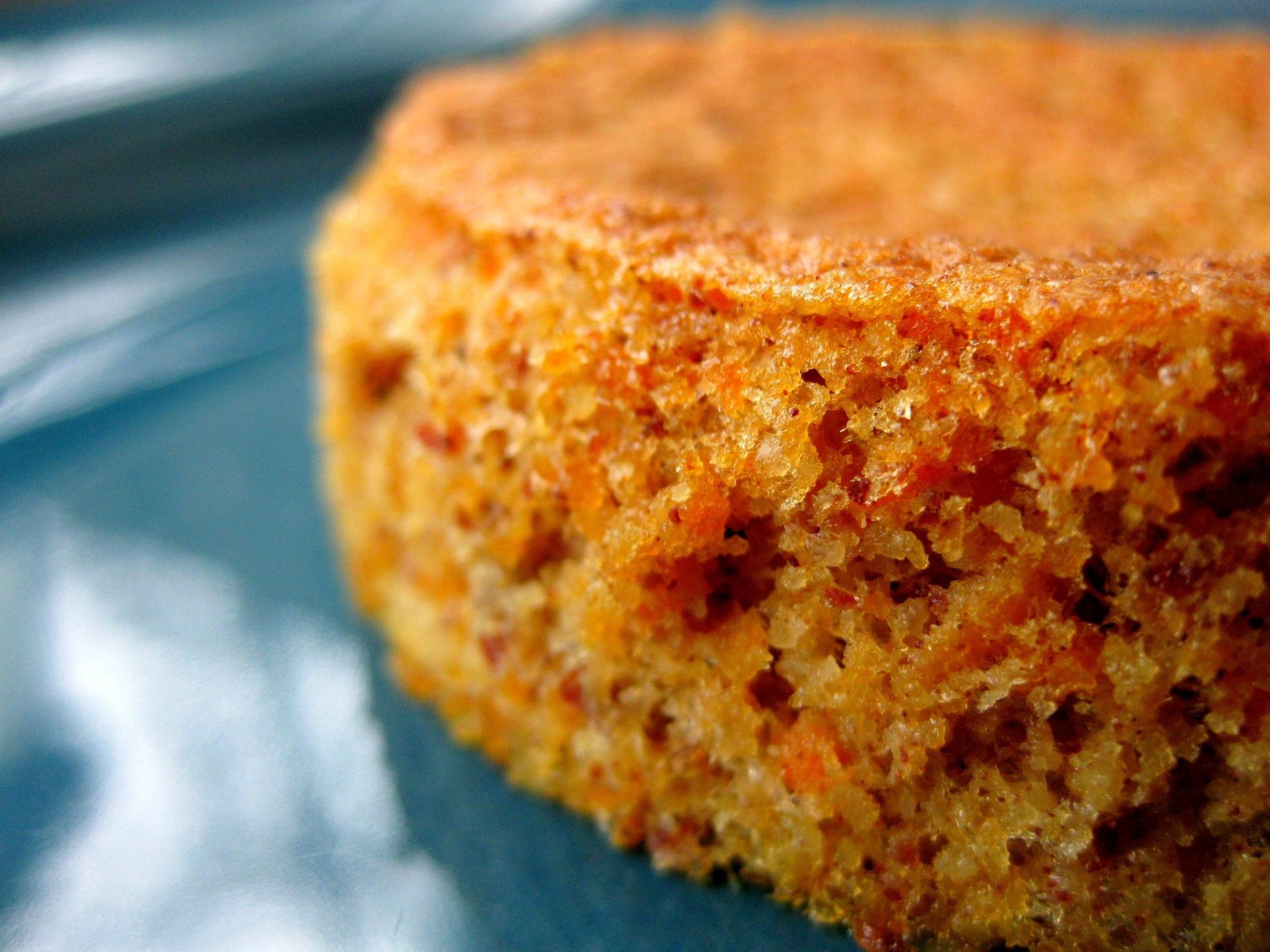
Carrot cake — cinnamon, nutmeg, allspice, pineapple, coconut, walnuts, raisins
What You Will Need — Serves 12
Ingredients
Dry
- 2 cups all-purpose or self-raising flour
- 2 tsp baking powder
- 1 tsp baking soda
- ½ tsp salt
- 1 tsp ground cinnamon
- ½ tsp ground nutmeg
- ½ tsp ground allspice
- 2 cups white sugar
Wet & Add-ins
- 1¼ cups vegetable oil
- 2 tsp vanilla extract
- ¼ cup applesauce
- 2 cups grated carrot
- 1 × 20 oz can crushed pineapple, well drained
- ½ cup fresh grated coconut
- 1 cup chopped walnuts
- 1 cup raisins
Preparation Steps
- Preheat oven to 175°C / 350°F. Grease your baking tin and dust lightly with flour.
- Combine the dry ingredients: In a large bowl, whisk together flour, baking powder, baking soda, salt, cinnamon, nutmeg and allspice until evenly mixed. There should be no visible streaks of spice — distribution matters here.
- Build the wet base: In a separate bowl, mix the applesauce, sugar and vanilla together until well combined. Gradually blend in the vegetable oil until you have a smooth, uniform mixture.
- Fold in the dry ingredients: Add the dry mixture to the wet base using the folding method — do not beat. Overmixing develops the gluten and toughens the crumb. Fold until the flour is just incorporated.
- Add the bulk ingredients: Fold in the drained pineapple, grated carrot, walnuts, coconut and raisins in that order. The batter will be thick — that is correct.
- Pour and bake: Transfer to the prepared tin and bake at 175°C for 50–55 minutes. Test with a skewer or fork from the 50-minute mark — it should come out clean with no wet batter.
- Rest before serving: Allow to cool in the tin for 10 minutes, then turn out. Serve warm, with cream or vanilla ice cream if you like — though it stands very well on its own.
Per Serving (12 servings)
Nutritional values are estimates based on standard ingredient databases. Actual values vary with specific brands and portion size.
Tips & Variations
- Drain the pineapple thoroughly — press it in a sieve. Excess liquid will prevent the centre from setting.
- If using self-raising flour, reduce the baking powder to 1 tsp and omit the baking soda.
- Toast the walnuts in a dry pan for 3–4 minutes before folding in — it adds a nuttier dimension.
- The cake keeps well at room temperature for 2 days, and improves on the second day as the spices settle.
- For a cream cheese frosting: 200g cream cheese, 100g icing sugar, a squeeze of lemon — spread once fully cooled.
- Ground cinnamon used here is Chinese Cassia — slightly more robust and peppery than Ceylon cinnamon, which suits the bold flavour profile of this recipe.
Which Cinnamon Are You Actually Using?
Most ground cinnamon sold in supermarkets — including in Europe, the Middle East and Asia — is Chinese Cassia (Cinnamomum cassia), not true Ceylon cinnamon (Cinnamomum verum). The two are related but distinct: different species, different volatile oil profiles, and — critically for food manufacturers — different coumarin levels.
Coumarin is a naturally occurring compound in cassia bark. The EU sets maximum permitted limits for coumarin in foods. This matters to commercial bakers, formulators and spice blenders, but in a home-baked carrot cake at 1 teaspoon across 12 portions, it is not a meaningful concern.
CBL's own Eurofins laboratory data (Qingdao, January 2025) shows Chinese Cassia Ground at 240 mg/kg coumarin — substantially below typical industry literature values which frequently cite figures around 3,000 mg/kg. This reflects deliberate origin selection within Guangxi province and consistent processing discipline, not an anomaly. Our Cassia Quills, China tested at 100 mg/kg in the same round. Full test reports available on request.
For food manufacturers incorporating cinnamon or cassia into finished products — baked goods, breakfast cereals, confectionery, spice blends — coumarin compliance in the destination market is a documented requirement, not an optional check. CBL's testing programme addresses this directly.
For Commercial Buyers of Cinnamon & Cassia
The ground cinnamon in this recipe is commercially available through CBL — operating as your broker and agent in China, not as a trader. We source Chinese Cassia from verified Guangxi producers, manage specification, testing and compliance, and coordinate private label and custom packaging requirements.
Brokerage: Commission on transaction completion only — you contract directly with the supplier. No shipment, no commission.
Agency: Fixed fee, pre-agreed per defined deliverable — payable on delivery of service, deal or no deal.
Available forms: Cassia Whole · Tube · Broken · Ground · Scrapped from China. Cassia Quills from China and Vietnam. Cassia Vera from Indonesia (grades VAA, VA, KBBC, KABC). Ceylon cinnamon (Cinnamomum verum) from Sri Lanka. We welcome White Label / Private Label enquiries.
Our Role in the Cassia Supply Chain
CBL has been in the spice trade since 1951, with direct China operations since the 1990s. We introduced 25kg carton packaging for Chinese Cassia globally in 2000 — previously the standard was 50kg bamboo bales. We know this commodity in detail: volatile oil content, coumarin variance by origin and processor, lead and pesticide profiles, moisture management in transit.
For each shipment we coordinate pre-shipment inspection covering external quality — grade, colour, aroma, texture, moisture — and commission laboratory testing through Eurofins (Qingdao). Coumarin testing follows GB 5009.284-2021; volatile oil testing follows GB/T 30385-2013. Results are communicated to the buyer before shipment is approved.
Contact us with your specification for a commercial quote. More detail on our Cassia & Cinnamon product page.
Need consistent, tested cinnamon or cassia for food production, spice blending or private label?
Share your specification and we will respond promptly.